Growing Oregon's Organic Future
Grow. Protect. Connect.
Supporting the Oregon Organic Community for over 20 Years
The Oregon Organic Coalition (OOC) brings together everyone invested in Oregon's organic community: farmers, food businesses, nonprofits, researchers, and everyday people who believe organic is worth fighting for. We are a membership-based coalition that has been showing up for Oregon's organic sector for more than 20 years in Salem, in the field, and everywhere in between.
We are growers, distributors, advocates, certifiers, and consumers. We don't all do the same work, but we share the same belief: that organic is good for people, good for the planet, and good for Oregon's economy. That shared belief is what makes OOC possible, and what makes it matter.
History
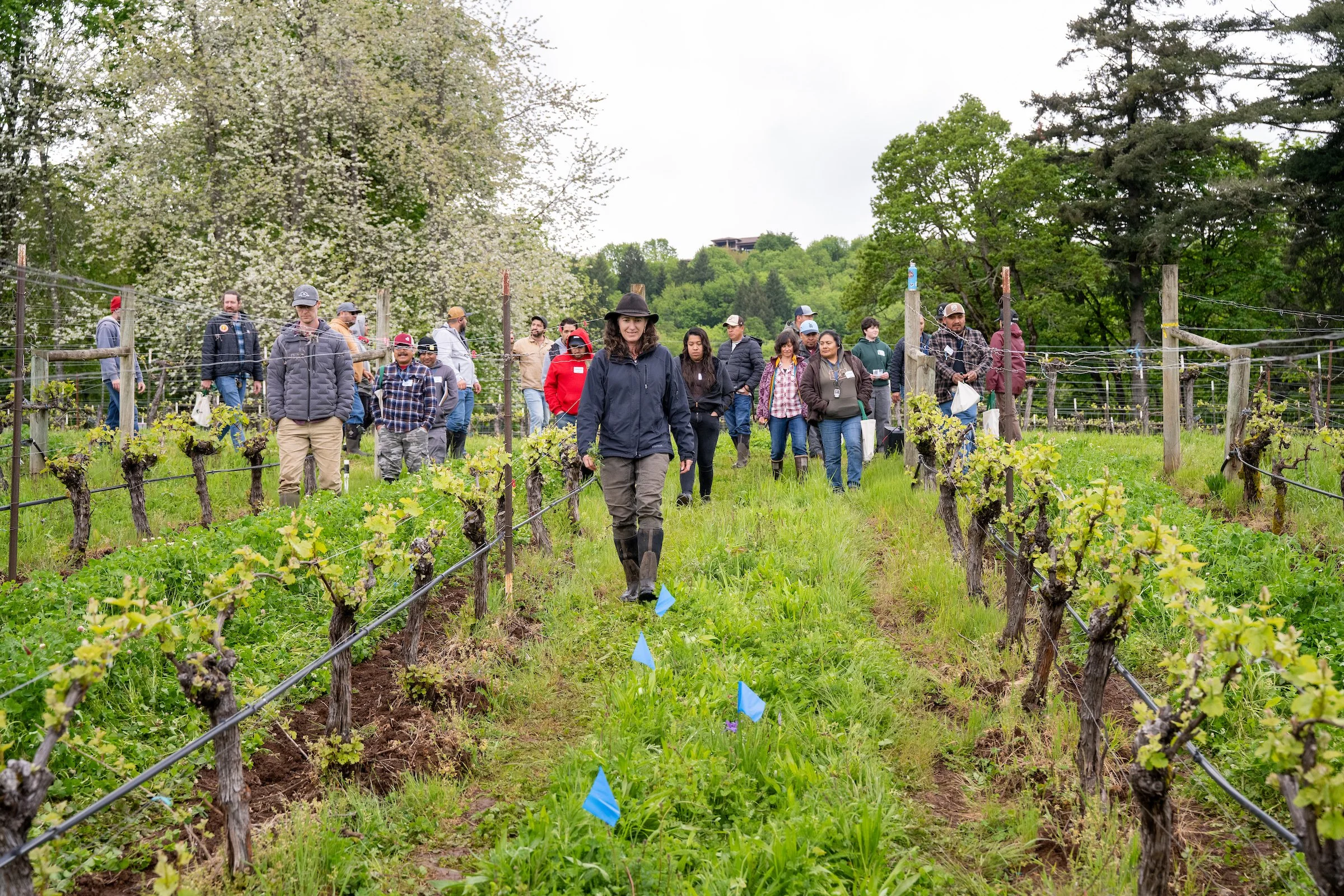
OOC was founded in 2004 by organic trade leaders who believed Oregon's organic community needed a unified voice. In the two decades since, we have secured permanent funding for organic research at Oregon State University, supported landmark policy protecting Oregon's organic farmland, helped phase out harmful synthetic pesticides, and brought together hundreds of farmers, businesses, and advocates around a shared goal: a stronger organic sector in Oregon.
Membership
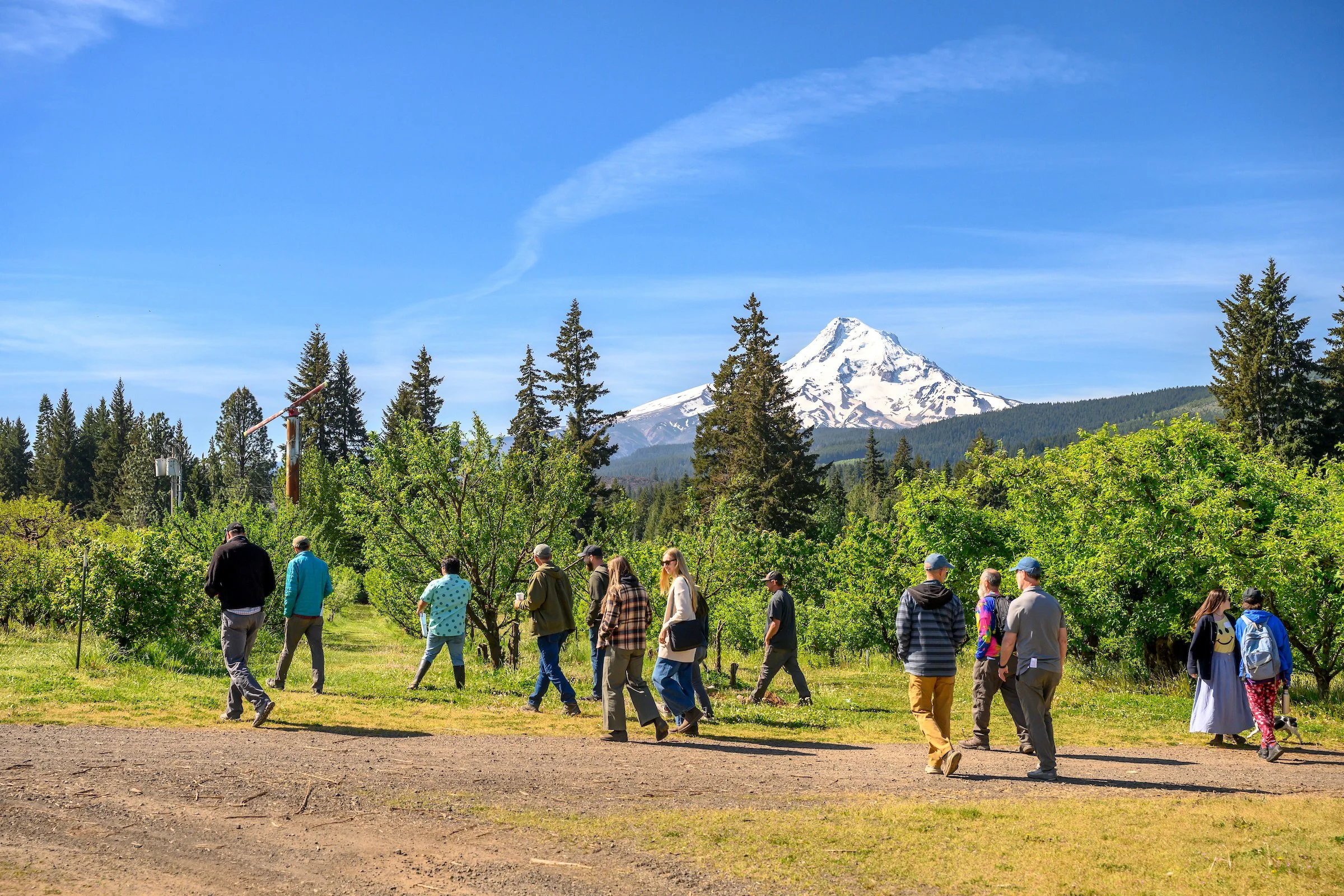
Being an OOC member means staying connected to Oregon's organic community, whether you're growing food, selling it, advocating for it, or simply believe in what it stands for. As a member, you stay ahead of policy and legislation affecting your farm or business, get visibility and promotion through OOC's channels and events, and become part of a statewide network of farmers, businesses, and advocates who are all pushing in the same direction.
Why Organic?
🍎
Why Organic? 🍎
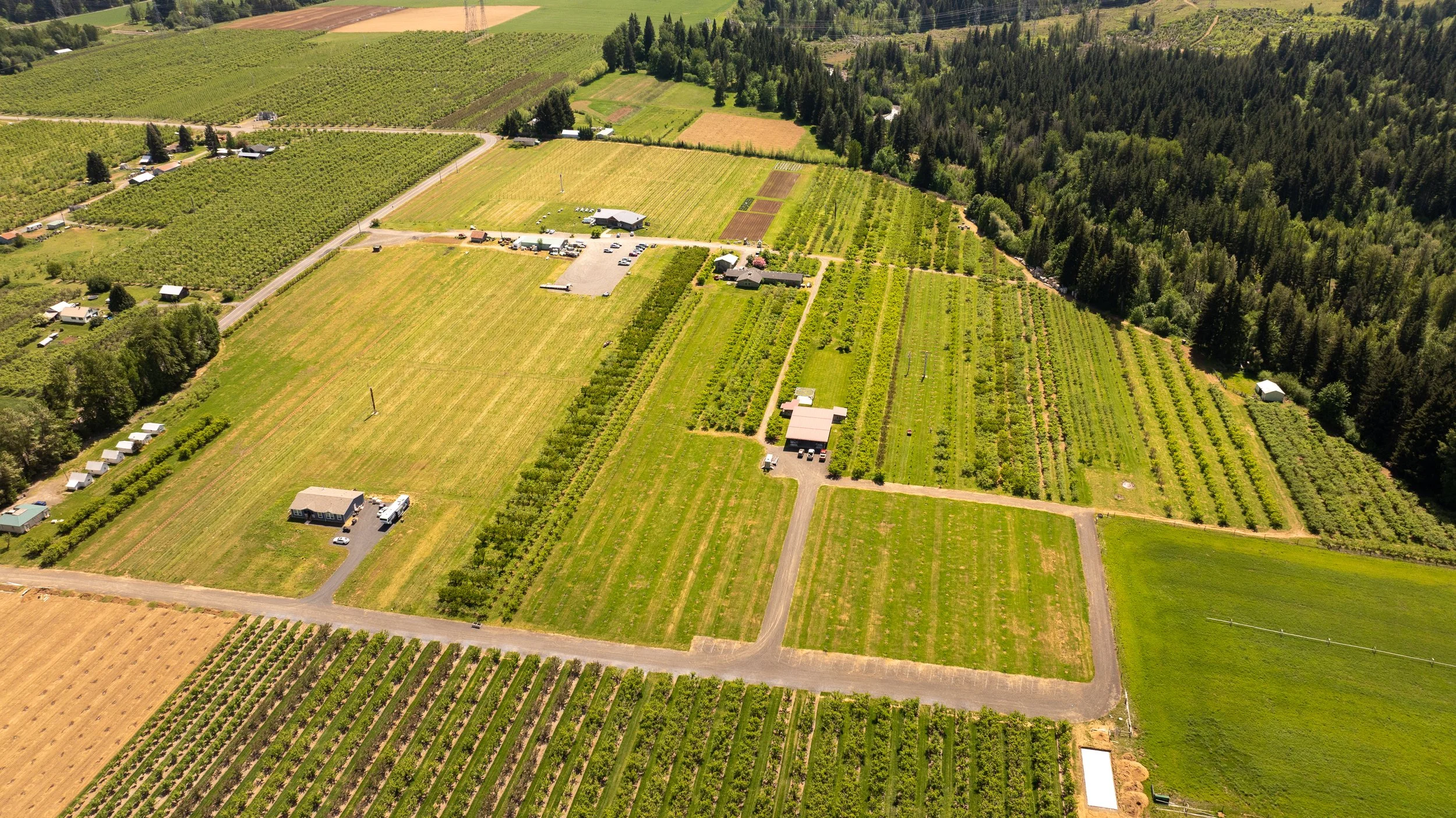
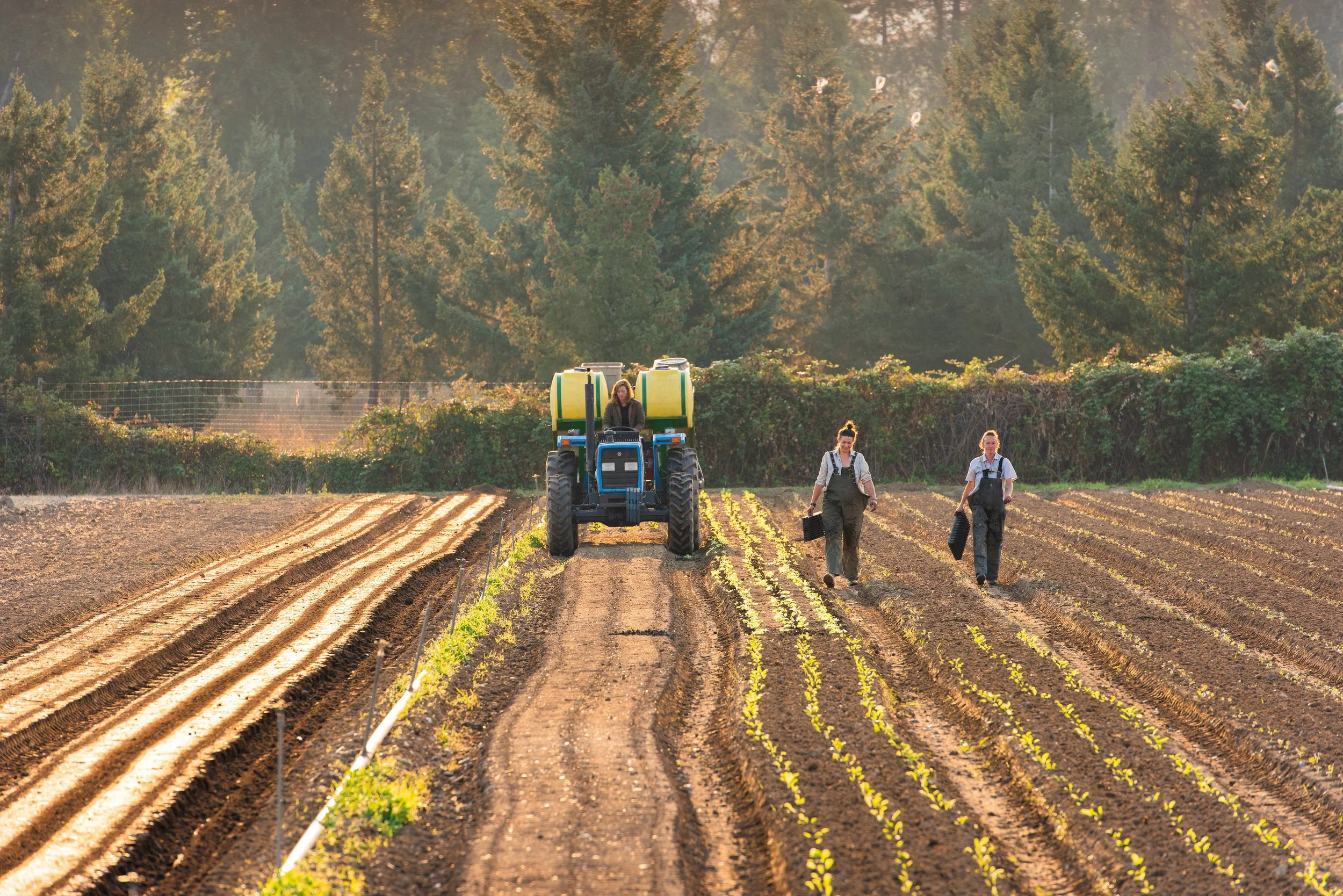
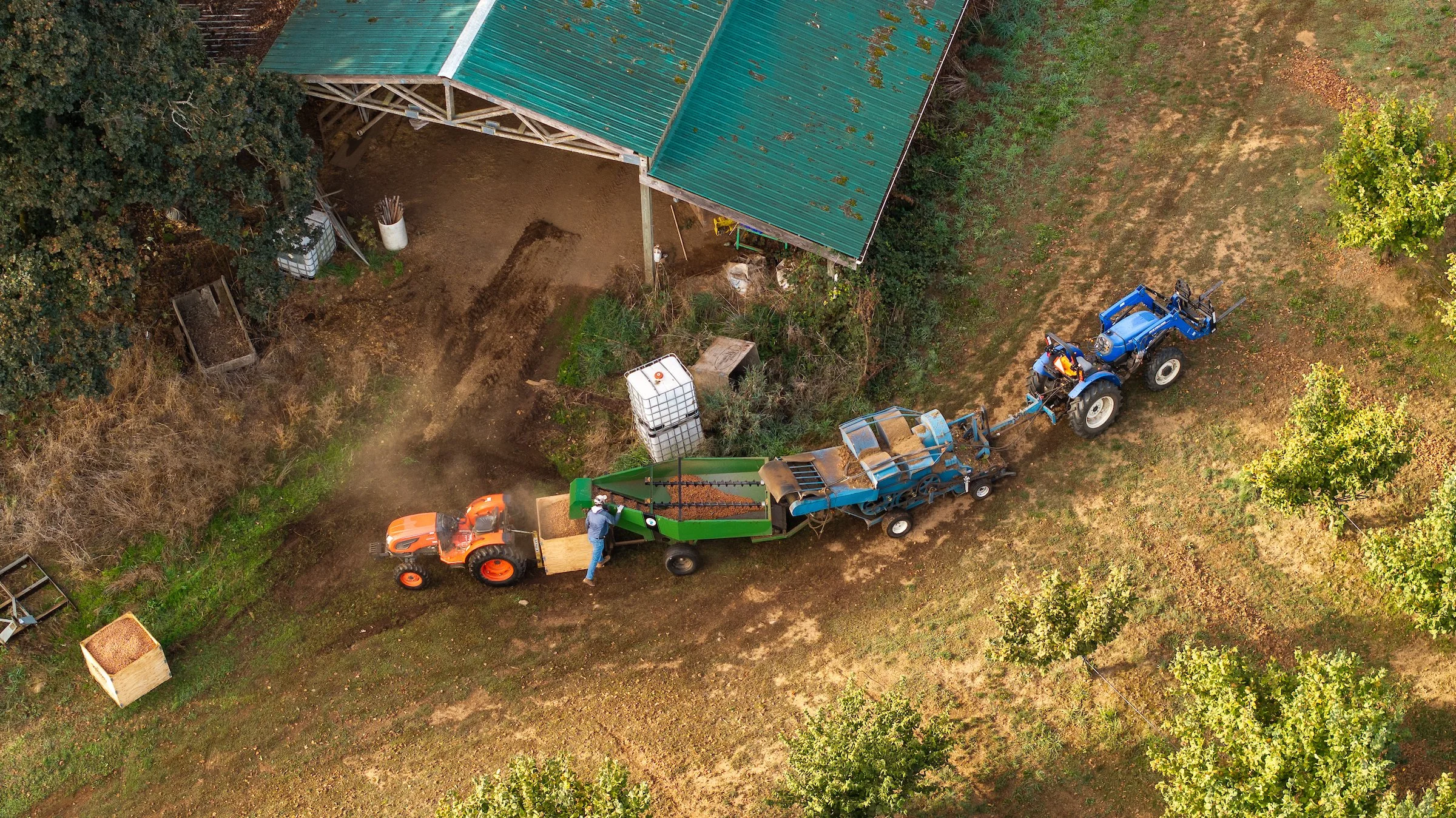
Organic farming is more than a certification. It's a set of practices built around a simple idea: that the way we grow food should be good for the land, good for the people eating it, and good for the communities built around it. Oregon's diverse climate and soils make it one of the most productive and varied organic growing regions in the country, with crops ranging from hazelnuts, wine grapes, and grass seed in the Willamette Valley to wheat, pulses, and cattle in eastern Oregon.
Choosing organic means supporting farmers who have committed to growing without toxic synthetic pesticides, building soil health for the long term, and contributing to a food system that works for everyone. It means supporting businesses that have made organic a core part of how they operate, not just a marketing claim. And it means being part of a growing movement that is reshaping how Oregon feeds itself and the world.